

Bali second home and investment visas for jet owners 2027 are expected to follow Indonesia’s new “second home” and investor residence models, typically requiring around USD 130,000–350,000 in qualifying funds or assets as of August 2026. For frequent private jet users, this can translate into multi‑year stay permits, simpler re-entry, and stronger alignment with aviation-related investments.
How will Bali second home and investment visas for jet owners 2027 likely be structured?
Indonesia’s current second home and investor visa concepts already point to how 2027 schemes may look for high‑net‑worth private jet owners. Existing policies link stay permits to proof of funds, long‑term leasing, or investment in Indonesian assets, with validity options from 5 to 10 years as of August 2026. Bali is positioned as the key destination for lifestyle‑driven applicants.
For private jet owners and frequent charter users, regulators are signalling two directions: longer stay rights for individuals proving substantial inbound spending, and clearer pathways to residence for those contributing to strategic sectors such as tourism and aviation. By 2027, this is likely to cover forms of private jet investment Bali is already attracting, including hangars, FBO partnerships, and hospitality projects tied to premium air access.
Visa models are also moving toward digitalised submissions and centralised screening. This aligns with the stricter visa rules for private jet arrival Bali that already require advance manifest, permit coordination through DGCA and airport authorities, and precise schedule declarations for every flight into Ngurah Rai (WADD/DPS). Second home and investment visas effectively separate immigration eligibility from each individual trip, reducing friction for repeat arrivals.
How can a second home or investment visa reduce friction for repeated private jet arrivals in Bali?
Frequent private jet visitors often face repetitive document checks, sponsor letters, and stay permit renewals. With a multi‑year second home or investment visa, immigration clearance at Bali becomes more predictable, especially for owners or regular charterers arriving several times per season. The aircraft must still comply with all operational permits, but the passenger profile is already pre‑vetted.
At Bali’s dedicated facilities for non‑commercial traffic, such as the Ngurah Rai Bali private jet terminal, this can translate into shorter processing times and fewer unexpected questions about purpose of visit or length of stay. Immigration officers can reference an existing residence right rather than treat every landing as an isolated short‑stay entry.
For high‑frequency routes such as Surabaya to Bali private jet hops for business, or longer leisure itineraries like Manila to Bali private jet or even San Francisco to Bali private jet legs via technical stops, this stability matters. Crewing, slots, and schedules are complex enough; having a long‑term visa minimises the risk that an immigration issue derails a carefully coordinated arrival window.
What kinds of aviation and lifestyle investments in Bali could support a 2027 investor visa?
Bali aviation investment opportunities are slowly broadening beyond airlines. By August 2026, investors are already exploring Bali private jet hangar investment structures, maintenance support facilities, and premium terminal partnerships linked to high‑spend tourism. Visa frameworks for 2027 are expected to recognise such projects as qualifying investments when structured through compliant Indonesian entities.
On the lifestyle side, second home applicants often tie their stay to villa ownership, branded residence schemes, or participation in hospitality funds. Jet owners commonly combine both: basing a long‑range aircraft in the region, committing to a fractional share, or arranging a standing block of hours with a trusted operator, while also securing a Bali residence. Discussions around fractional jet ownership Indonesia 2027 trends are relevant here, as regulators consider how asset‑light aviation commitments might count toward investment thresholds.
Formal rules will still require clear separation between immigration status and aircraft operations. Flights must be run by licensed AOC holders, and Bali private jet operator due diligence remains essential. However, a well‑documented portfolio of tourism, aviation, or infrastructure investments in Bali can make an investor visa application considerably stronger, especially if supported by auditable capital flows and tax compliance.
How do visa decisions interact with practical charter choices like cost per hour and aircraft type?
Long‑term visas do not change the technical cost structure of operating a jet, but they often change behaviour. Once residence is secured, owners tend to plan more trips into Bali, ranging from short regional movements to extended family stays. This magnifies the importance of understanding Bali private jet cost per hour across aircraft categories as of August 2026.
Light jets and turboprops remain common for shorter hops such as Surabaya to Bali private jet sectors, while midsize and heavy jets dominate regional and intercontinental legs from hubs like Manila, Hong Kong, or the US West Coast. For ultra‑long routes such as San Francisco to Bali private jet missions (with fuel or crew stops), heavy or ultra‑long‑range aircraft can exceed USD 10,000 per flight hour as of August 2026, depending on type and routing.
Second home or investment visa holders often prefer tailored solutions such as all inclusive private jet Bali packages that fold in positioning, handling, catering, and concierge support into a single quote. Aligning visa duration with charter planning helps spread fixed positioning and set‑up costs across multiple trips per year, making a consistent aircraft category more economical over several seasons.
Can second home and investor visas support creative, content, and events travel by private jet?
Bali is already a global stage for content creation, and multi‑year visas can make this easier. Production teams booking a private jet for film shoot in Bali benefit from predictable immigration status for key principals who may need to shuttle in and out several times to scout, rehearse, and shoot. A stable visa reduces the risk of last‑minute denials or shortened stays.
Similar dynamics apply to high‑profile events flying in via charter: Bali proposal decoration private jet experiences, brand launches, or social campaigns centred on Bali private jet social media content. Creators and couples with second home visas can arrive early, test locations, and stay after the main event without worrying about overstaying a short tourist allowance.
Any such project still depends on Bali private jet slot availability at Ngurah Rai, coordination with the airport authority, and strict adherence to the permit pipeline through DGCA, AirNav, and other official channels. A visa only covers the person, not the aircraft; flight approvals are never guaranteed and remain subject to airspace, capacity, and security considerations.
What should Japanese and other international jet owners watch for in crew and aircraft selection?
For foreign owners basing or frequently sending aircraft into Bali, 2027 visa frameworks will sit alongside careful aircraft selection. Some travellers prioritise cabins configured as Bali private jet with separate crew rest, which are essential for ultra‑long‑range sectors and can influence charter availability on preferred dates. Others need language support, for example a Bali private jet Japanese speaking crew for visiting executives or family members.
Regardless of citizenship or visa status, aircraft operating into Bali must be run by licensed AOC operators. Thorough Bali private jet operator due diligence is vital: reviewing safety history, insurance limits, maintenance standards, and crew duty‑time management. This remains fully independent of immigration permissions and is an area where specialised brokers add value beyond simple pricing comparisons.
Prospective second home or investment visa holders who plan to fly regularly can work with brokers to align aircraft features—Wi‑Fi, cabin layout, crew facilities—with expected trip patterns, such as quarterly Manila to Bali private jet visits or semi‑annual US–Bali journeys. This alignment makes it easier to build predictable, repeatable travel plans that match visa validity and personal schedules.
- Typical indicative charter band for Bali routes as of August 2026: around USD 10,000–40,000 per leg, depending on aircraft size and distance.
- Second home and investor visa processing commonly takes several weeks from complete file submission, with all documents needing certified translations into Indonesian.
- Applicants should prepare evidence of funds or investments in the low six‑figure USD range, varying by scheme and family composition.
- Private jet arrivals into Bali always require advance slots and landing permits coordinated via official written channels; visas do not override these rules.
- All flights must be operated by licensed AOC holders; Private Jet Bali is an independent civilian service company coordinating charter bookings only.
- Comprehensive trip planning often starts 7–14 days before departure for international charters to secure permits and preferred time slots.
- For complex filming or event missions, allocating at least 4–6 weeks helps align visas, contracts, and aviation logistics.
Frequently asked questions
how much does Bali second home and investment visas for jet owners 2027 cost in Bali?
Official government fees are modest, but the real cost lies in the qualifying funds or investments, which for high‑net‑worth applicants typically fall between roughly USD 130,000 and 350,000 as of August 2026. Legal support, translations, and tax advice add to this. Exact figures depend on family size, sector focus, and evolving 2027 regulations.
is Bali second home and investment visas for jet owners 2027 worth it in Bali?
For jet owners or frequent charter users visiting Bali several times per year, a multi‑year visa can be valuable. It reduces immigration friction, supports property and aviation investments, and allows more flexible schedule changes. Those chartering only occasionally may find standard visit visas sufficient, especially if trips are short and primarily leisure‑focused.
what is included in Bali second home and investment visas for jet owners 2027?
These visas usually include the right to reside in Indonesia for several years, multiple entries, and, in many cases, dependent coverage for spouses and children. They do not include any flight rights or aviation exemptions: Bali private jet arrivals still require normal permits, slots, and compliance with Indonesian aviation regulations and security procedures.
Do Bali second home and investment visas change the bali private jet cost per hour?
No. Visa status does not directly affect hourly charter rates, which depend on aircraft type, routing, and market demand. However, a long‑term visa often leads to more frequent trips and the ability to plan blocks of flying, which can improve overall cost efficiency through better aircraft selection and more consistent scheduling.
Can these visas support all inclusive private jet Bali packages for families?
Yes. Holding a second home or investor visa can make it easier to plan recurring all inclusive private jet Bali packages that bundle flights, ground services, and villa stays. The visa simplifies immigration for family members, so annual or quarterly trips can be booked with more confidence that entry permissions align with travel dates.
For tailored guidance on visas aligned with aircraft choice, routes, and Bali private jet charter packages, contact the BD desk of Juara Holding Group via WhatsApp 6281139414563 or email bd@juaraholding.com.
Last updated 4 August 2026
More from the desk
Uncategorized
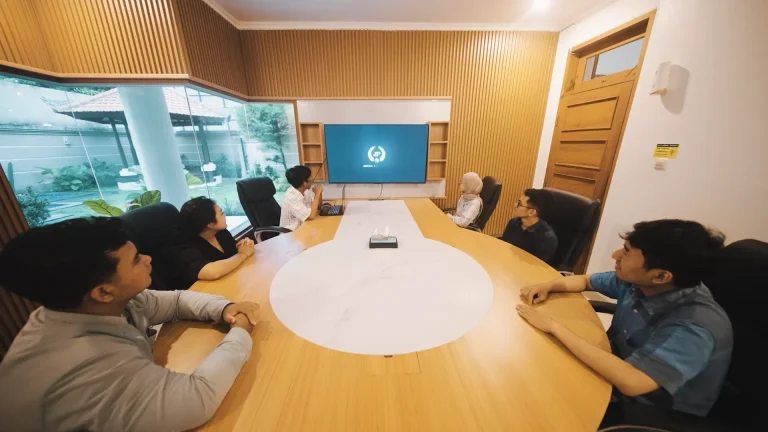
Planning A 2027 Bali Corporate Retreat By Jet
Corporate retreats in Bali 2027 by private jet typically cost from USD 10,000–40,000 per leg for 6–14 executives, as of…

Uncategorized
Sydney–Bali Private Jet Route Outlook For 2027
On the Sydney to Bali private jet corridor, 2027 is likely to see 3–6 charter departures on peak days, dominated…
Uncategorized
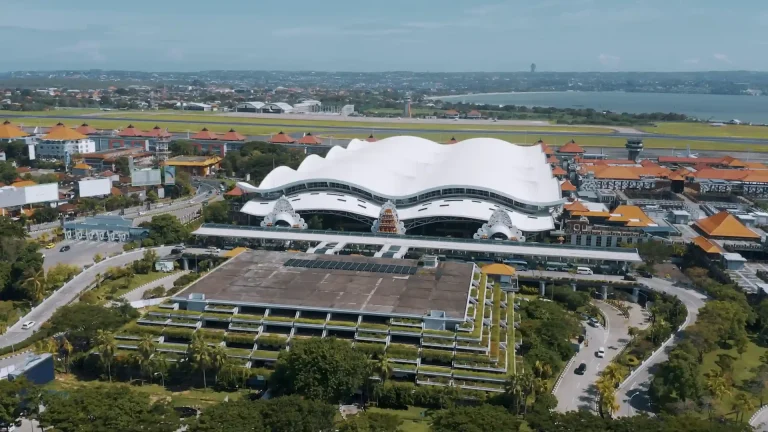
Will Bali’s Private Jet Terminal Change By 2027?
Ngurah Rai’s Bali private jet terminal is slated for at least one dedicated VIP/FBO expansion phase before 2027, with upgraded…
Reading About A Route You Plan To Fly?
Guides carry bands. A quote carries a number — route, date and passenger count are all it takes to start one.