
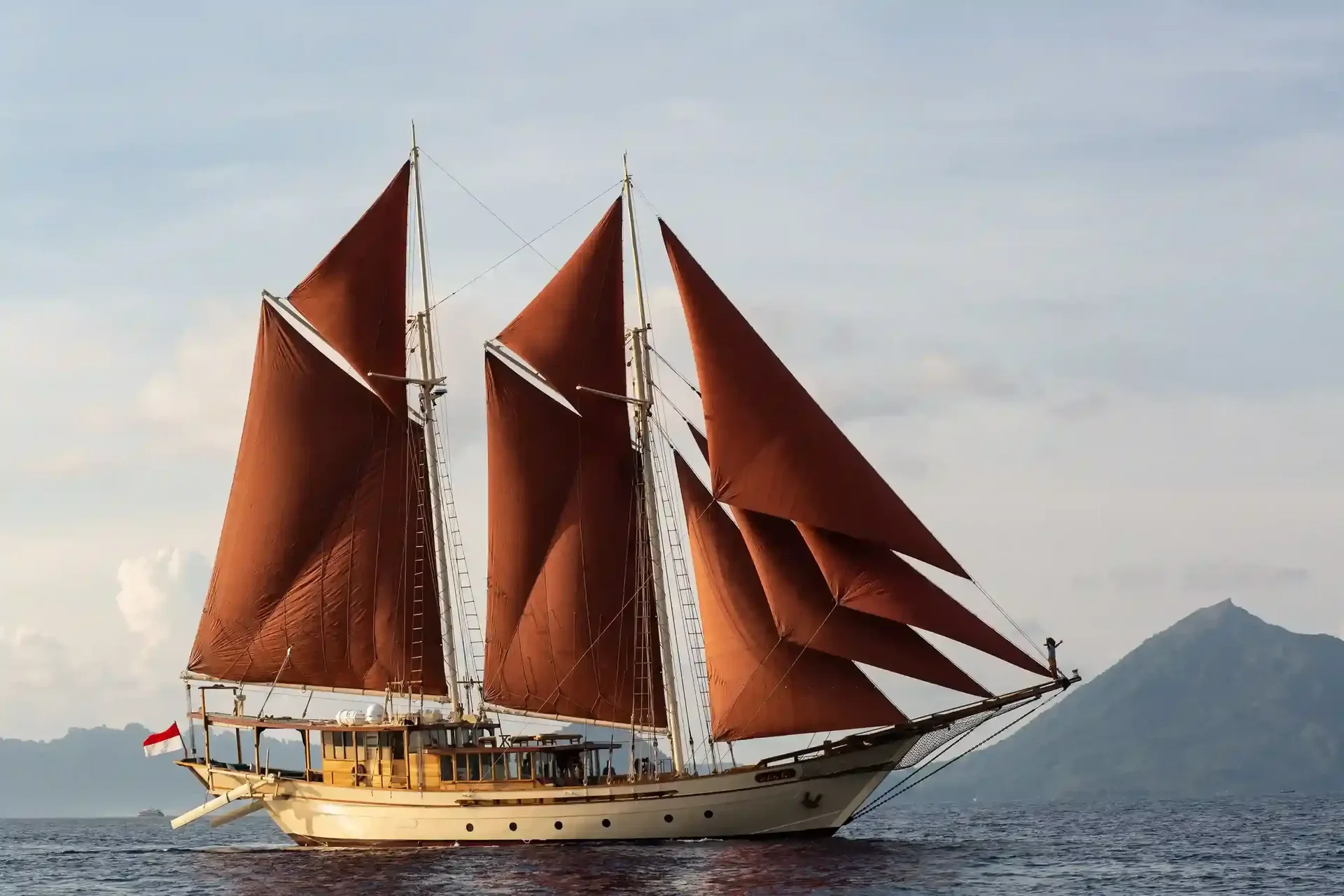
Fractional jet ownership in Indonesia is projected to reach 8–12% of all private jet flying hours by 2027, driven by Jakarta–Bali and Singapore–Bali routes. By 2027, expect at least three structured programs combining Bali-based fractional shares, jet cards, and Bali-focused membership tiers aimed at frequent leisure and corporate travellers.
How is the Indonesia private aviation market in Bali shifting toward shared and fractional models by 2027?
The Indonesia private aviation market Bali travelers use today is still dominated by on-demand charter, but shared-use models are catching up. Across the Asia Pacific private jet trends with Bali as a focal point, consulting firms project 3–5% annual growth in business aviation movements through 2027, with Bali (DPS) consistently ranking in the top three Indonesian private-jet destinations alongside Jakarta and Surabaya.
By 2027, this volume makes Bali attractive for fractional operators that want guaranteed year-round demand. High season peaks (July–August and December–January) already generate tight availability for midsize and large jets on routes such as Jakarta–Bali and Singapore–Bali. Instead of buying whole aircraft, Indonesian UHNWI and family offices are expected to allocate capital into 1/8 or 1/16 shares that guarantee hours into Bali and regional hubs.
Jet cards pegged to Indonesia and ASEAN sectors will sit beside traditional fractional shares. Clients using Bali private jet rental 6–12 times per year increasingly ask for predictable hourly rates and block-time commitments rather than one-off spot quotes. This is exactly the profile that fractional and card providers are building products around for 2027.
What will Bali private jet part ownership structures actually look like in 2027?
By 2027, Bali private jet part ownership structures are likely to follow patterns already seen in North Asia and Europe: clearly defined shares by hours, regional access zones, and capped calendar restrictions. Typical models discussed in the region are 50–100 flight hours per year per 1/8 share, with usage focused on Indonesia and nearby countries like Singapore, Malaysia, and Australia.
Documentation is expected to include a fractional ownership agreement, operating agreement with the licensed AOC operator, maintenance reserve schedule, and transparent repositioning rules for WADD/DPS. For Bali-based clients, programs may prioritize aircraft that can efficiently serve popular routes such as Medan to Bali private jet flights, Perth–Bali, and private jet Singapore to Bali sectors, plus positioning to Jakarta.
Because Bali is primarily a leisure hub, some 2027 concepts under discussion pair fractional shares with hospitality benefits—like optional Bali private jet and hotel package tie-ins for peak holiday periods. These structures let owners lock in access during school holidays and international event weeks, while the operator uses remaining hours for charter to improve fleet utilization.
How will jet cards and fractional programs change private jet pricing to and from Bali by 2027?
Indicative charter rates into Bali today typically range from about USD 10,000 to USD 40,000 per leg for regional flights, depending on aircraft size and positioning, as of August 2026. Longer flights—such as a Melbourne to Bali private jet or other 5–7 hour sectors—move toward heavier aircraft and higher totals because of fuel burn and crew costs.
By 2027, fractional jet ownership and jet cards are expected to stabilise pricing bands on core Bali routes. Instead of wide spot-market swings, clients may see fixed hourly rates within pre-agreed “zones,” for example Indonesia-only, Southeast Asia, or wider Asia Pacific. Programs may also bake in priority access during Bali’s peak months for cardholders and fractional shareowners.
For those simply comparing how much is a private jet to Bali on a one-off basis, on-demand charter will still be viable. However, frequent flyers planning 30–50 hours a year—such as entertainment groups needing a private jet for music tour Bali dates or regional corporate roadshows—are likely to gain 10–20% cost efficiency over pure ad-hoc bookings, especially if they can flex dates to fit availability rules.
How will operational details like security, crew, and amenities be handled under Indonesia’s 2027 fractional models?
Operational control in Indonesia must remain with licensed AOC operators, and that will not change by 2027. Under any fractional scheme, flights to Bali will still pass through standard airport and governmental procedures. Bali private jet security screening at Denpasar (DPS) is performed under Indonesian aviation security regulations, with dedicated channels for general aviation where available, but no bypass of official security processes.
Onboard experience is expected to become more tailored. For example, demand from Korean outbound tourism is already driving requests for Bali private jet Korean speaking crew on selected aircraft. Fractional programs may cluster language-specific crews and curated catering menus on certain tail numbers that rotate frequently through Bali.
Cabin fit-out will remain important. Bali private jet galley equipment on midsize and heavy jets typically includes hot ovens, espresso capability, and refrigeration—helpful for longer missions such as a miami to bali private jet trip (usually requiring one or more fuel and crew stops). Fractional owners will likely have input on interior upgrades, Wi‑Fi standards, and galley options during periodic refurbishment cycles negotiated in their contracts.
How will innovative itineraries and lifestyle uses shape fractional ownership centered on Bali?
By 2027, lifestyle-focused flying patterns are expected to influence how hours are packaged. Many Indonesia-based clients already combine Bali with other resort destinations; proposals for a “Bali jet plus Maldives itinerary” or Bali–Lombok–Labuan Bajo loops are increasingly common. Fractional projects under development are considering pre-designed leisure circuits that owners can reserve with simplified pricing.
Content creation is another driver. Requests for a photo shoot on private jet to Bali, social campaigns, or brand collaborations mean aircraft may be booked for ground time in addition to flight time. Fractional programs will need clear rules on how cabin use for shoots, events, and influencers is billed and what approvals are required from operators and airports.
Corporate use will remain central. Dedicated blocks for regional management visits, incentive trips, and corporate retreats in Bali 2027 by private jet can be combined into a single fractional portfolio, with predefined aircraft categories. Some clients will still choose standard Bali private jet rental for irregular trips, but those with predictable conference calendars are strong candidates for structured ownership or jet cards.
What contract and lease formats are likely for Indonesia-focused fractional fleets using Bali as a hub?
Because Private Jet Bali and similar brokers are independent civilian service companies and do not hold an AOC, any 2027 fractional jet product must rely on licensed operators and compliant agreements. Bali private jet wet lease contracts are already used today by operators to temporarily position aircraft for seasonal demand; these leases may underpin future fractional programs that emphasize Bali in their route maps.
Fractional owners will typically sign a share purchase or usage contract plus an operating agreement. Lease structures may involve medium-term wet lease or ACMI arrangements by the operator to ensure aircraft availability for Indonesia and wider ASEAN missions. All permit work must continue through official written channels such as DGCA, AirNav Indonesia, airport authorities, and the SMS-FSC system for flight security clearance.
For cross-border flying—such as Medan to Bali private jet legs combined with onward Melbourne to Bali private jet or Singapore–Bali itineraries—contracts must clarify which operator and registration apply to each sector. This becomes even more important for ultra-long-range missions like a miami to bali private jet journey, where different regulatory regimes and tech stops are involved.
- Typical Indonesia–Bali block: 25–50 hours per year per fractional share, focused on DPS and major domestic hubs, as of August 2026.
- Common aircraft categories: light jets (4–7 seats), midsize (6–9 seats), and heavy/long-range (10–14 seats) operated under licensed AOCs.
- Core documents: fractional ownership agreement, operating agreement, schedule of hourly rates and peak-date restrictions, as of August 2026.
- Standard lead time: 24–72 hours booking notice for guaranteed availability on core routes, subject to permits and airport slots.
- Operating costs: hourly rates usually exclude de-icing (if any), special catering, and additional ground transportation, as of August 2026.
- Usage transparency: monthly or quarterly statements detailing legs flown, positioning sectors, and any surcharges applied.
- Exit options: pre-defined minimum holding periods (often 3–5 years) and valuation formula for selling back or transferring shares.
Frequently asked questions
how much is a private jet to bali
Indicative one-way charter pricing into Bali (DPS) generally ranges from about USD 10,000–15,000 for short regional hops on a light jet, up to USD 30,000–40,000 or more for larger aircraft and longer sectors, as of August 2026. Total cost depends on route, aircraft size, overnighting, and whether you can use Bali private jet empty leg flights.
Is fractional jet ownership Indonesia 2027 trends worth it in Bali?
Fractional ownership becomes attractive if you fly 30–50+ hours a year on routes involving Bali. Frequent Jakarta–Bali, Singapore–Bali, or regional business and lifestyle trips can justify the commitment, especially if you need predictable availability during peak seasons. Occasional holiday travelers typically get better value through on-demand charter or jet cards rather than long-term shares.
What is included in fractional jet ownership Indonesia 2027 trends?
Typical inclusions are a set number of flight hours per year, guaranteed access within a service zone (for example Indonesia and nearby ASEAN), crew and standard catering, and aircraft management by a licensed operator. Owners usually pay separate monthly management and variable hourly fees. Some programs may bundle perks like negotiated hotel rates or Bali-focused lifestyle experiences.
Can fractional programs cover a Bali private jet and hotel package?
Most fractional models focus on aircraft access and operational reliability rather than bundled tourism. However, by 2027, some Indonesia-focused schemes may partner with resorts to create optional Bali private jet and hotel package offers for shareowners. These are typically flexible add-ons rather than core contract features, arranged per trip through a concierge or broker.
Do fractional owners get better access for a private jet for music tour Bali or events?
Fractional ownership and higher-tier jet cards often provide priority booking windows and clearer service-level commitments. For touring artists, sports teams, or brands needing a private jet for music tour Bali dates and regional stops, this can translate into more reliable aircraft access during busy festival periods, provided schedules are planned and locked in ahead of time.
To explore fractional concepts, jet cards, or on-demand charter options centered on Bali—such as a focused private jet Singapore to Bali program or multi-city itineraries—contact the BD desk at WhatsApp 6281139414563 or email bd@juaraholding.com (Juara Holding Group).
Last updated 4 August 2026
More from the desk
Uncategorized
Planning A 2027 Bali Corporate Retreat By Jet
Corporate retreats in Bali 2027 by private jet typically cost from USD 10,000–40,000 per leg for 6–14 executives, as of…

Uncategorized
Sydney–Bali Private Jet Route Outlook For 2027
On the Sydney to Bali private jet corridor, 2027 is likely to see 3–6 charter departures on peak days, dominated…
Uncategorized
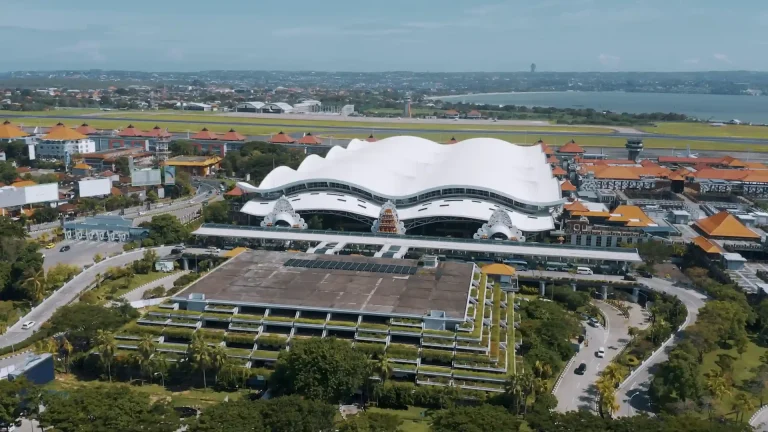
Will Bali’s Private Jet Terminal Change By 2027?
Ngurah Rai’s Bali private jet terminal is slated for at least one dedicated VIP/FBO expansion phase before 2027, with upgraded…
Reading About A Route You Plan To Fly?
Guides carry bands. A quote carries a number — route, date and passenger count are all it takes to start one.