

By 2027, sustainable private jet travel to Bali will typically mean using at least 30–70% Sustainable Aviation Fuel (SAF) blends where available, pairing each flight with verified carbon offsetting, and choosing more efficient aircraft. For a Bali charter leg, that can reduce lifecycle CO₂ impact by 25–60% compared with traditional operations using only Jet A-1.
How will SAF and greener aircraft change flying private to Bali by 2027?
By 2027, many long-range and super-midsize jets flying into Denpasar (WADD/DPS) are expected to support SAF blends up to 50% or more, depending on fuel availability at previous departure points such as Singapore, Perth, Hong Kong, or Jakarta. This shift is driven by global airline and business aviation targets announced between 2022–2025 to reach net-zero around 2050.
For high net worth expats flying private to Bali several times a year, the practical impact is twofold. First, modern aircraft types (for example newer super-midsize and heavy jets) are designed to burn less fuel per passenger kilometre compared with older airframes introduced before 2000. Second, where SAF is uplifted at origin, lifecycle emissions for a Bali sector can be cut by roughly 20–50% versus conventional fossil jet fuel, based on public lifecycle assessments cited by major SAF producers as of August 2026.
Clients planning incentive travel by private jet to Bali or complex family office travel patterns to Bali will likely see more charter proposals that explicitly state SAF blend percentages, estimated emissions per leg, and suggested offset volumes. Brokers and operators can then align the aircraft choice—light, midsize, or heavy jet—with both group size and sustainability targets for 2027 and beyond.
What will carbon offsetting and ESG reporting look like for Bali jet flights?
Corporate travel and family offices are already requesting auditable ESG data. By 2027, offsetting Bali jet flights for companies is expected to shift from ad‑hoc tree planting to accredited projects under standards such as Gold Standard or Verified Carbon Standard (VCS), with detailed certificates issued for each charter leg as of August 2026 practices in global markets.
A typical Jakarta–Bali private jet flight on a midsize jet might generate roughly 2–4 tonnes of CO₂, depending on passenger count and aircraft age. International carbon prices in 2025–2026 ranged widely (around USD 3–30 per tonne in voluntary markets), so a company’s incremental cost to fully offset several Bali trips per year may be in the low thousands of US dollars as of August 2026. This is minor compared with charter costs, which often sit between USD 10,000–40,000 per leg depending on aircraft type and routing as of August 2026.
By 2027, many charters to Bali are likely to include optional “ESG packs”: precise emissions estimates, curated carbon projects in Asia-Pacific, and report-ready summaries for annual sustainability disclosures. Dedicated pages such as Bali private jet carbon offset options 2027 help decision makers structure these programs across executives, family office travel policy for Bali jets, and marketing teams building content creation packages for Bali jet trips.
How will safety and sustainability align for medical, pregnancy, and pet travel?
Medical and special-needs itineraries already feature strongly in Bali-bound charters. Demand for a Bali private jet for medical travel, flying while pregnant to Bali by private jet, or transfers that require medical oxygen on private jet to Bali is expected to keep rising among regional and international clients through 2027, particularly during peak hospital seasons in major Asian hubs.
On these missions, sustainability cannot compromise safety. Operators must still comply with Indonesian DGCA rules, airport authority procedures at Ngurah Rai, and international medical flight standards. As of August 2026, oxygen equipment, stretchers, or medical staff add weight, which slightly increases fuel burn; greener practice here focuses on using younger, more efficient aircraft and pairing each mission with robust offsetting rather than cutting critical equipment.
Similarly, flying pets by private jet to Bali—common for relocations of high net worth expats—requires IATA-compliant pet crates, veterinary certificates, and careful temperature control. Greener options involve consolidating family members and pets into a single appropriately sized aircraft, using SAF where available at departure, and ensuring any empty positioning legs are transparently accounted for in emissions reporting and offset programs.
How will Bali’s operations, seasons, and night flying affect greener choices?
Denpasar’s location in southern Bali exposes it to a distinct wet season, and storm season flying to Bali private typically peaks between November and March. Thunderstorms and strong winds can require holding patterns or diversions, which increase fuel burn. Charter planning that builds in conservative weather buffers, updated forecasts, and contingency fuel helps reduce unnecessary repositioning and emissions.
Night operations private jets Bali are well-established at Ngurah Rai, subject to runway slots, noise limits, and published airport operating hours. By 2027, more clients will explicitly ask about flying into Bali at night by private jet as part of sustainability plans, because well-timed overnight arrivals or departures can reduce ground congestion, taxi times, and auxiliary power use. Careful scheduling also benefits sensitive travelers, such as those flying while pregnant to Bali by private jet or those arriving for clinic check‑ins the following morning.
Social media also shapes patterns. Tiktok content on flying private to Bali often features night approaches and dramatic weather, which can unintentionally encourage last-minute or multiple short positioning flights for filming. More responsible content strategies, built into content creation packages for Bali jet trips, will increasingly focus on bundling filming, respecting airport rules, and minimizing unnecessary extra legs that increase emissions.
What role will certified operators, visas, and onward trips from Bali play?
By 2027, many discerning clients are expected to prioritize is-bao certified operators flying to Bali or those with equivalent safety management systems. International Business Aviation Council (IBAC) standards emphasise risk management, which supports both safety and eco-efficiency by reducing unnecessary diversions, better planning fuel reserves, and keeping maintenance optimized.
For high net worth expats and jet owners exploring longer stays, Bali second home and investment visas for jet owners 2027 may influence how frequently they commute by jet versus staying seasonally in Indonesia. Longer stays mean fewer flights per year, which is a powerful lever for cutting overall emissions even before SAF and offsets are applied.
Once in Bali, sustainable itineraries increasingly include shorter regional legs designed efficiently. For example, Indonesia east tourism by private jet from Bali 2027 can be structured as a loop—Bali–Komodo–Flores–Sumba–Bali—on an efficient light or midsize jet rather than multiple fragmented trips. Careful routing reduces positioning sectors, which in traditional charter patterns can account for a significant share of total fuel used.
How will pricing for greener Bali private jet charters evolve by 2027?
As of August 2026, typical charter pricing into Bali for a single leg landed between roughly USD 10,000–40,000, depending on aircraft type, routing, and season. Adding SAF and verified offsets will increase costs but usually by a modest percentage compared with the total trip, especially for corporate groups or family office charters.
SAF premiums above conventional Jet A-1 were frequently quoted in 2025–2026 at two to four times the base fuel price in some markets. For a medium-length sector such as Singapore–Bali or Jakarta–Bali on a midsize jet, a 30–50% SAF blend might add low thousands of US dollars to the leg as of August 2026, though this depends heavily on local availability and supplier contracts.
For family office travel patterns to Bali, a practical 2027 approach is to pre‑define a sustainability framework: target minimum SAF percentage when available, default carbon offsetting for all legs, clear rules about aircraft size relative to group size, and a family office travel policy for Bali jets that covers special cases such as flying with sports equipment to Bali private or transporting medical teams.
- As of August 2026, most Bali-bound charters are quote-based, with final figures depending on aircraft category, routing, and overnight positioning.
- Clients should request evidence of IS-BAO or equivalent safety standards for operators proposing flights into Denpasar (WADD/DPS).
- Seasonal planning is crucial: stormier months (roughly November–March) may require more conservative fuel and schedule buffers.
- Special missions—such as bali private jet for medical travel or flights carrying medical oxygen—need advance documentation and operator approval.
- Flying pets by private jet to bali requires current veterinary paperwork and adherence to Indonesian animal import rules.
- Carriage of bulky items, for example flying with sports equipment to bali private, may limit baggage capacity and influence aircraft type and fuel burn.
- Night operations private jets bali must comply with the published rules and slot system at the Ngurah Rai Bali private jet terminal.
Frequently asked questions
how much does sustainable private jet travel to Bali 2027 cost in Bali?
As of August 2026, a typical private jet leg into Bali ranges from about USD 10,000–40,000 depending on aircraft size and route. Adding sustainability features—SAF where available plus verified carbon offsets—may increase the total by roughly 5–20%. Exact figures depend on fuel prices, SAF blend percentage, and chosen offset projects.
is sustainable private jet travel to Bali 2027 worth it in Bali?
For many corporate travelers, family offices, and frequent visitors, shifting to SAF blends and structured offsetting can cut lifecycle emissions by 25–60% versus traditional ops. The incremental cost is usually small relative to charter spend, while supporting ESG commitments, brand positioning, and responsible tiktok content on flying private to Bali or other public communications.
what is included in sustainable private jet travel to Bali 2027?
By 2027, a typical “sustainable” charter proposal may include a modern fuel-efficient aircraft, documented SAF uplift where available, detailed CO₂ calculations, and pre-selected carbon offset portfolios. Some programs also package ESG reporting support, guidance on offsetting bali jet flights for companies, and options for lower-impact itineraries and content creation packages for Bali jet trips.
Can sustainable private jet options cover night arrivals and medical needs?
Yes. Night operations and medical missions can still be structured sustainably. The key is using efficient aircraft, careful scheduling at Ngurah Rai, and transparent emissions accounting. A Bali private jet for medical travel or flights requiring medical oxygen on private jet to Bali must always prioritize safety, with sustainability achieved through SAF, offsets, and minimizing unnecessary empty legs.
Do sustainable Bali private jet plans work for large groups and incentives?
They can. For incentive travel by private jet to Bali or large family groups, using appropriately sized jets or VIP airliners often reduces emissions per passenger. Efficient routing, combining meetings with leisure stops, and avoiding excess positioning legs are crucial. Many 2027 programs will bundle these planning choices with clear offset certificates and post-trip ESG summaries.
To plan or benchmark sustainable private jet travel to Bali 2027—including SAF availability, offsets, or complex itineraries—contact the BD desk at Juara Holding Group via WhatsApp 6281139414563 or email bd@juaraholding.com, or review operational details for the Ngurah Rai Bali private jet terminal.
Last updated 4 August 2026
More from the desk
Uncategorized
Planning A 2027 Bali Corporate Retreat By Jet
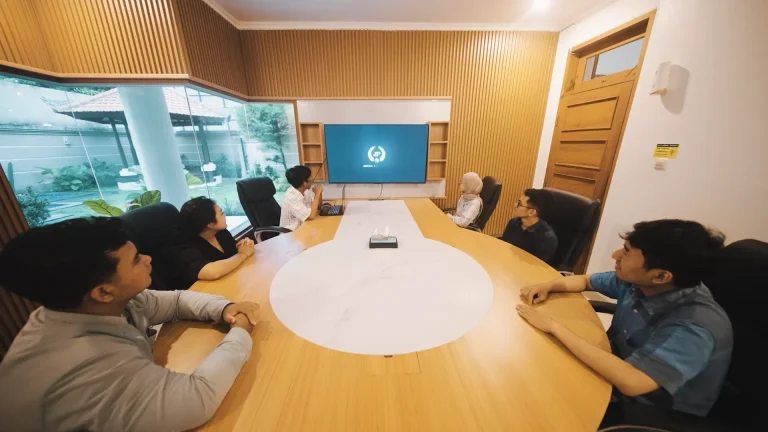
Corporate retreats in Bali 2027 by private jet typically cost from USD 10,000–40,000 per leg for 6–14 executives, as of…

Uncategorized
Sydney–Bali Private Jet Route Outlook For 2027
On the Sydney to Bali private jet corridor, 2027 is likely to see 3–6 charter departures on peak days, dominated…
Uncategorized
Will Bali’s Private Jet Terminal Change By 2027?
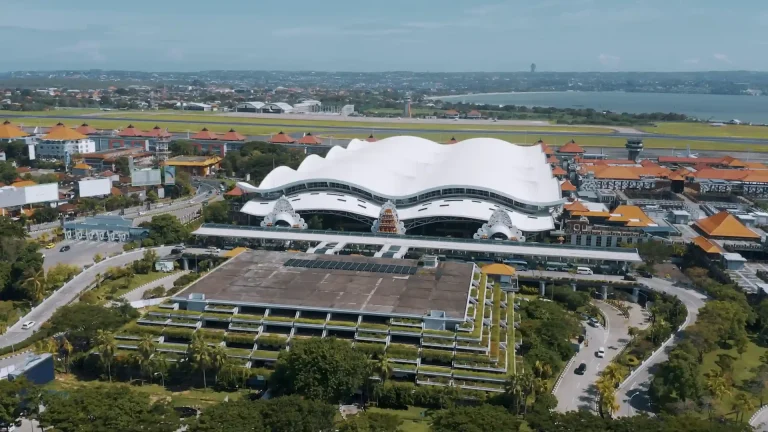
Ngurah Rai’s Bali private jet terminal is slated for at least one dedicated VIP/FBO expansion phase before 2027, with upgraded…
Reading About A Route You Plan To Fly?
Guides carry bands. A quote carries a number — route, date and passenger count are all it takes to start one.